-

From self-assessment to AI journey: how Fluentor came about
In November 2026 nivå became Fluentor. The product had moved on to what comes after the assessment, while its name, logo and page still talked about your level. This had to be changed.
-
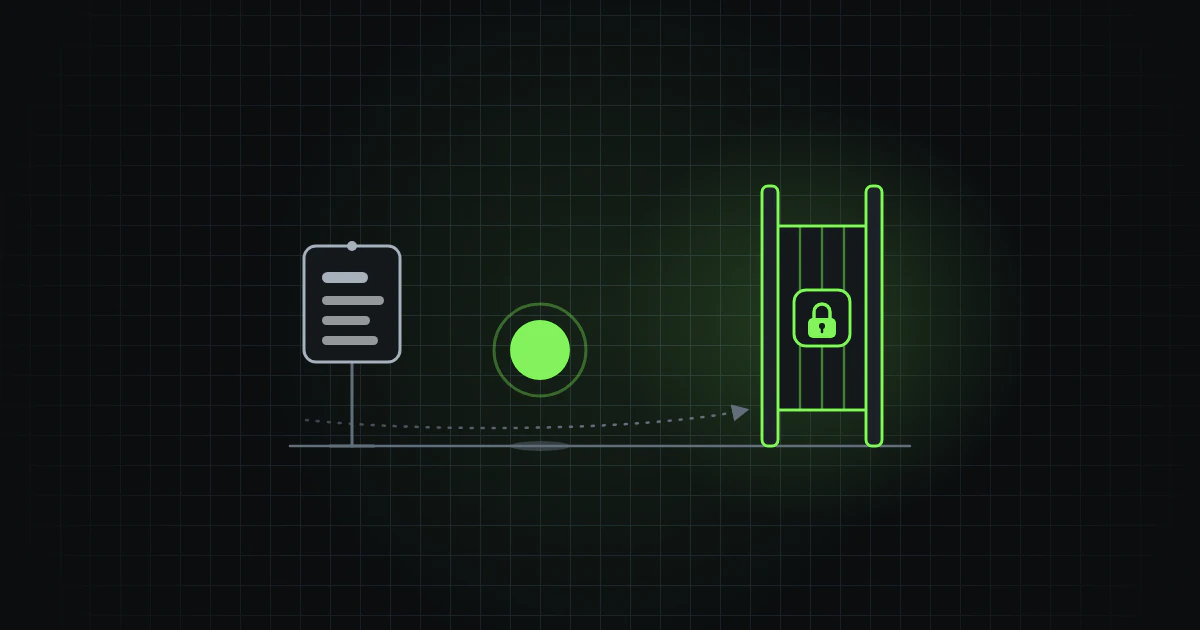
Set the limits in advance
A line in the instruction file asks an AI agent to behave, while a limit is checked outside it. This part goes through the limits the tools offer, a first set to try on a practice project and what to do when a limit lets something through. The seventh part of the series "From AI chat to agentic work".
-
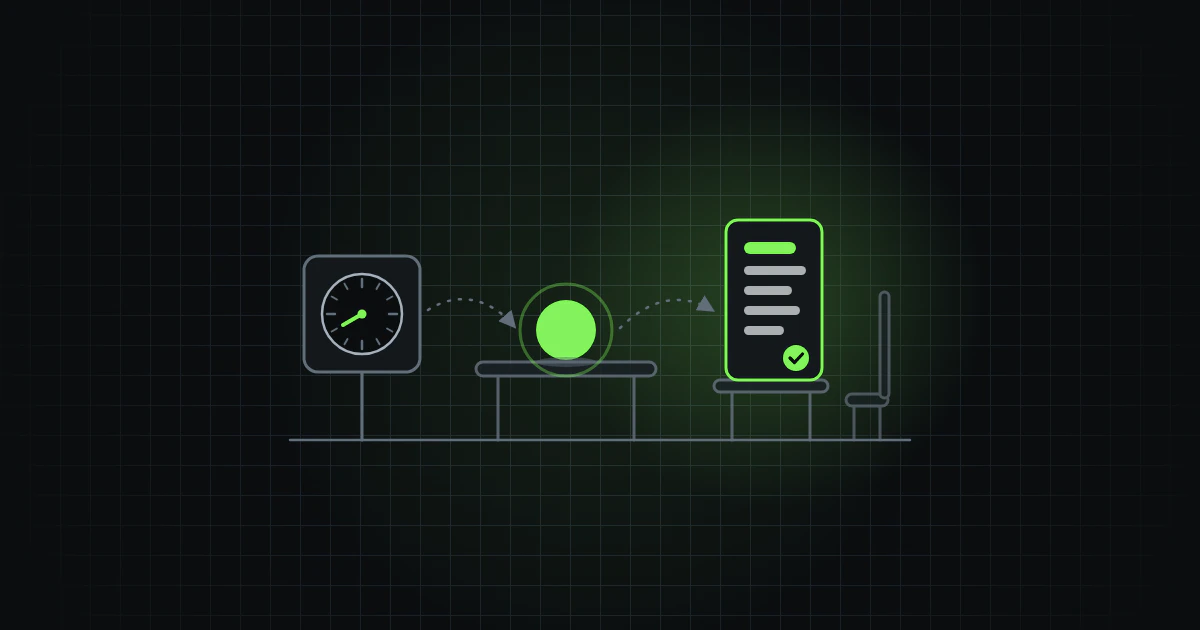
Where the AI agent runs and who starts it
An agent that runs with nobody beside it cannot ask anyone, so a good first job to run on its own is one that can only read. This part follows the same agent to five places, from the editor to a schedule and the vendor's cloud. It says what goes along to a run in the cloud and ends with a first job that runs by itself every morning. The sixth part of the series "From AI chat to agentic work".
-
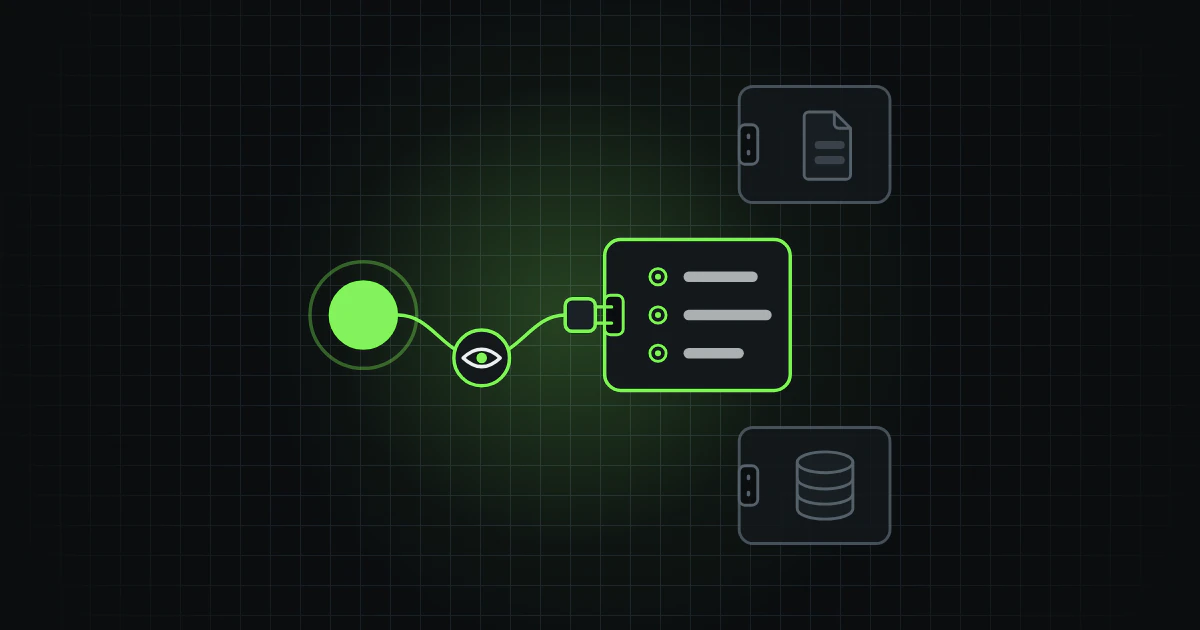
MCP, how an AI agent reaches other systems
The first connection to another system should only be able to read, because a connection gives the agent more reach. This part explains what MCP is, how to make such a connection and what to do when it does not work. The fifth part of the series "From AI chat to agentic work".
-
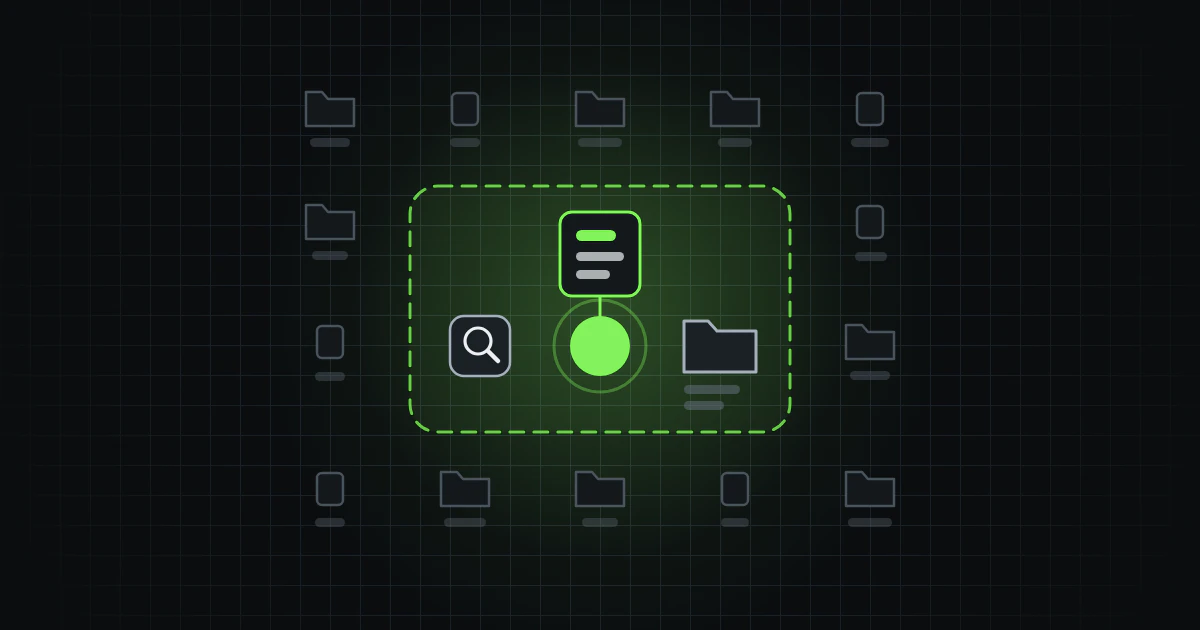
Give each AI agent a job of its own
An AI agent with one job and only the tools it needs is easier to review and to trust. The example here is a reviewer that may only read. This part shows how to write its description and what to do first. The third part of the series "From AI chat to agentic work".
-
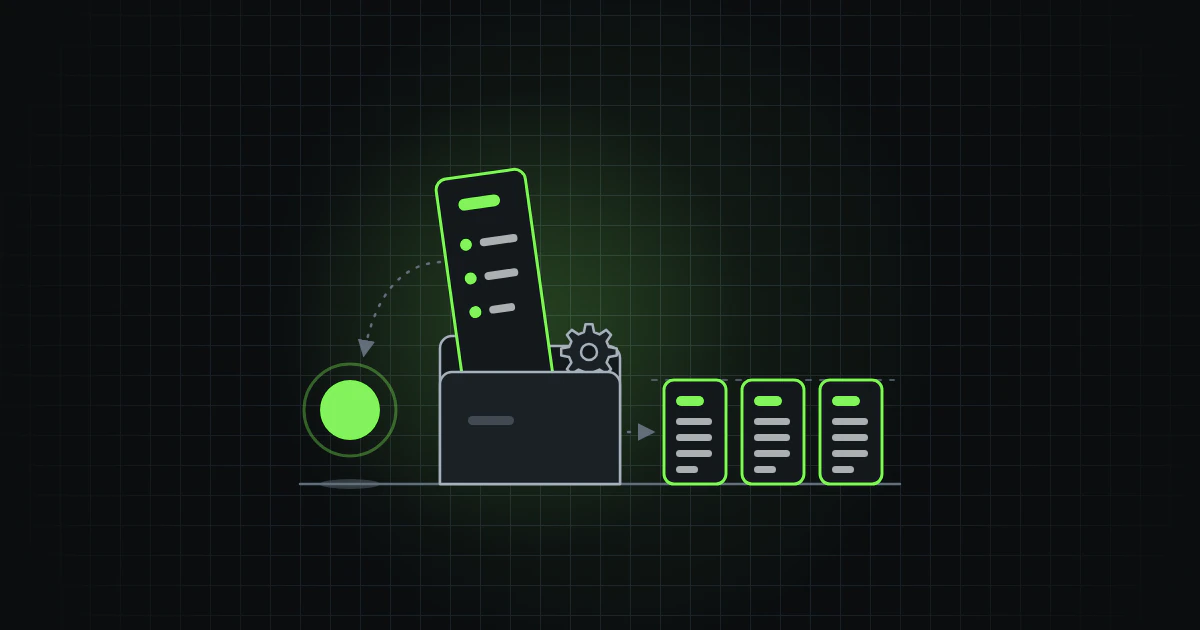
Skills, for work that must be done the same way every time
To make sure the AI agent does a job the same way every time, you can put the steps in a skill: a folder with a markdown file and often a script for the part that must be exact. This part shows how that works, what two studies found and what to do first. The fourth part of the series "From AI chat to agentic work".
-
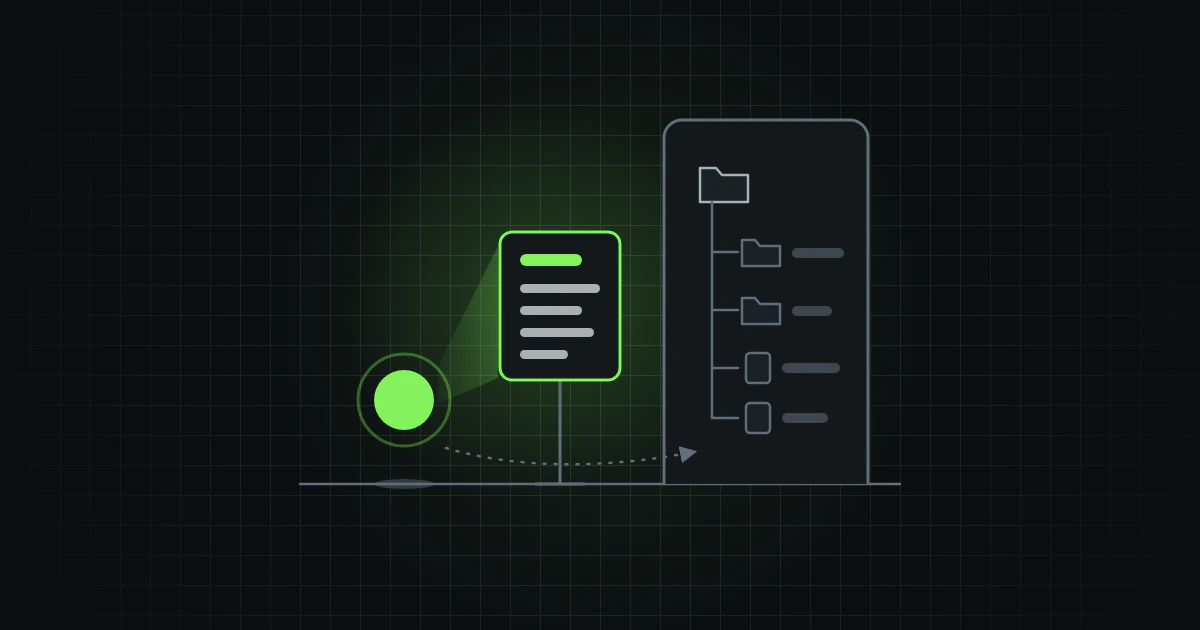
The instruction file, the first thing an AI agent reads
The agent can read your code but cannot guess how the project is installed and tested, so a short markdown file that it reads at every start tells it. This part follows a made-up web app and its file: what to write first, how to keep the file useful and how one file can serve several tools. The second part of the series "From AI chat to agentic work".
-
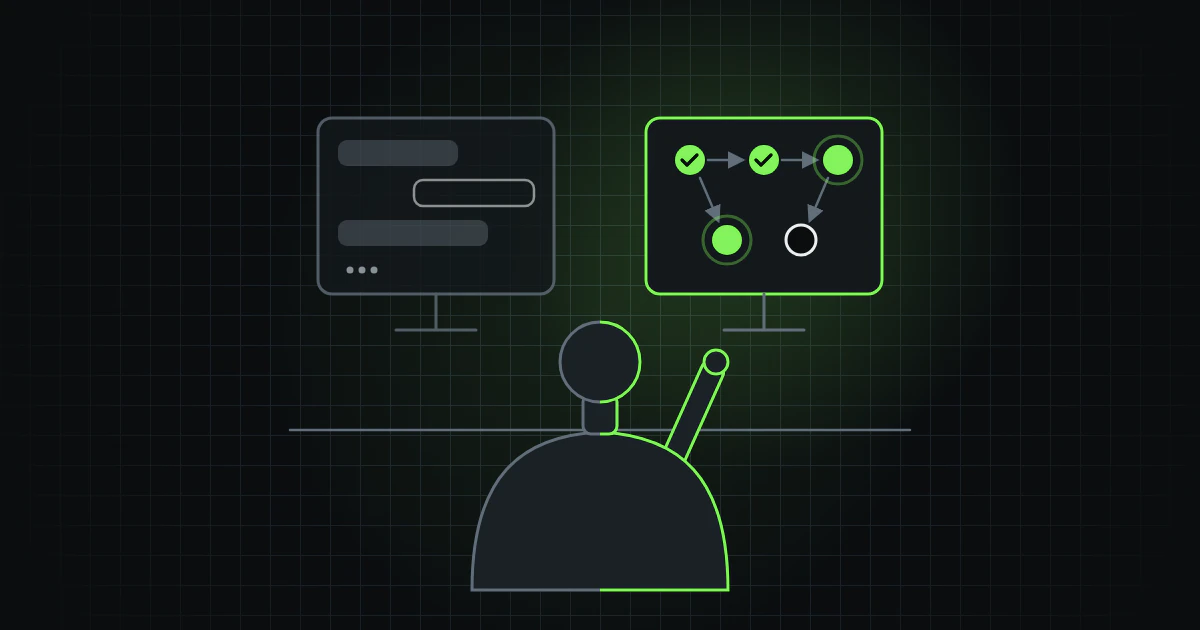
From AI chat to agentic work
An AI agent often runs on the same model as a chat with AI. What sets it apart is everything around the model: an agent may read the project, change files, run commands and check its own work. This first part of the series describes the parts the agent is made of and how they look in the factory behind this site.
-
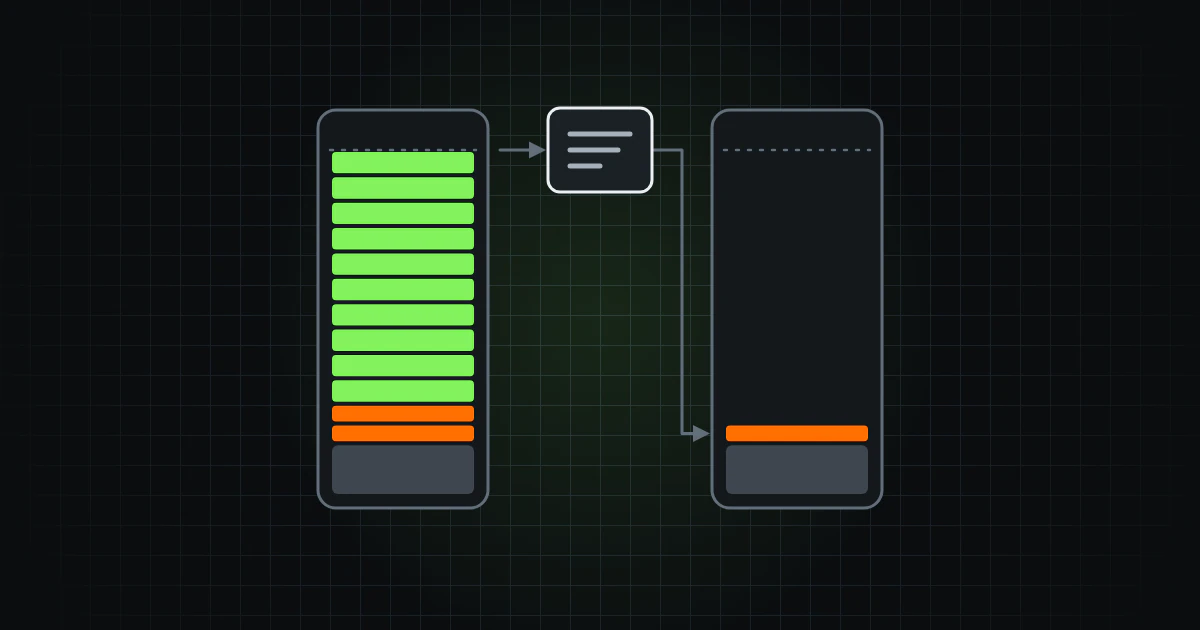
A study of the mayor's context
What a bead cost the mayor, the agent that coordinates the factory behind this site, on 22–23 and 24–25 September 2026, what drove that cost and what each change to its context did.
-
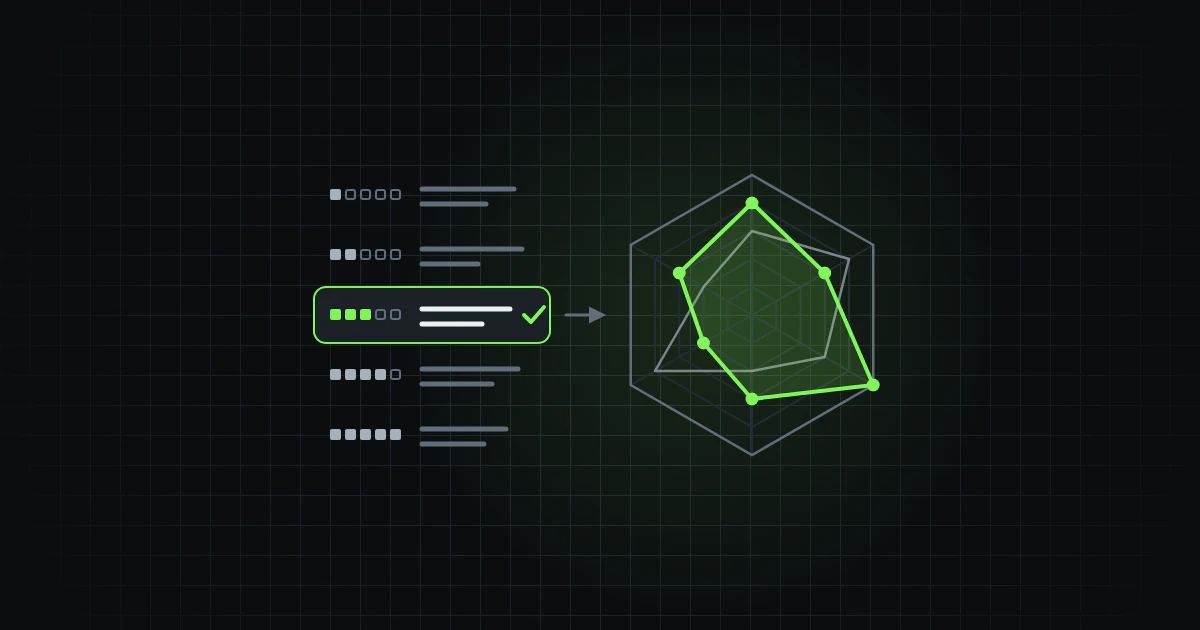
Lessons from building nivå
What an AI fluency and adoption self-assessment for individuals and teams taught us about approach and decisions while it is still in development.
-
Ashlands: what one prompt built
One prompt and a fleet of sub-agents produced 94,000 lines of a running game — and could not close the last stretch. What the Gauntlet Loop got right, what it cost, and what the founder brought to the run.
-
Why we run an agent-run software factory
The first article in a series about the factory behind this site — what Gas City and Beads are, what we took from Steve Yegge's work and what we changed, with one build in real numbers.


